
Pascal Lojistik
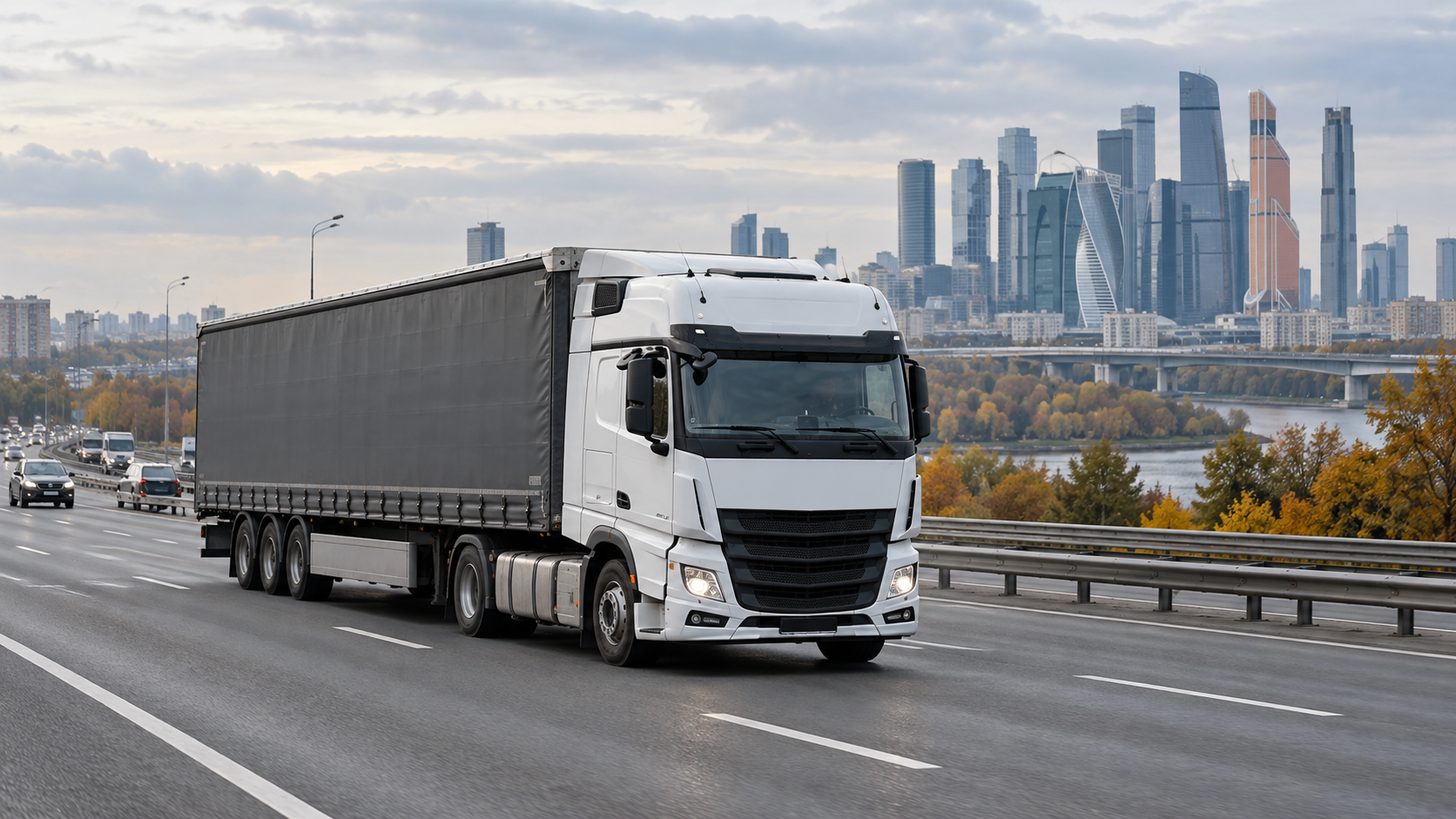
International Road Transportation
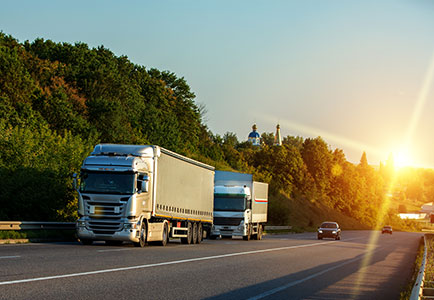
Road freight is the transport of goods by trucks, articulated lorries and other commercial vehicles.
LOJİSTİK
 PASCAL LOJİSTİK
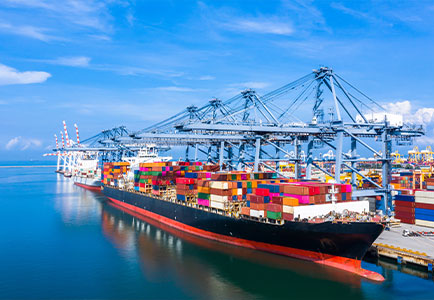
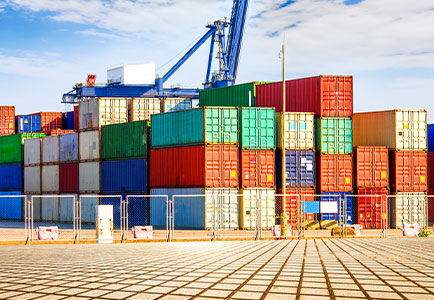
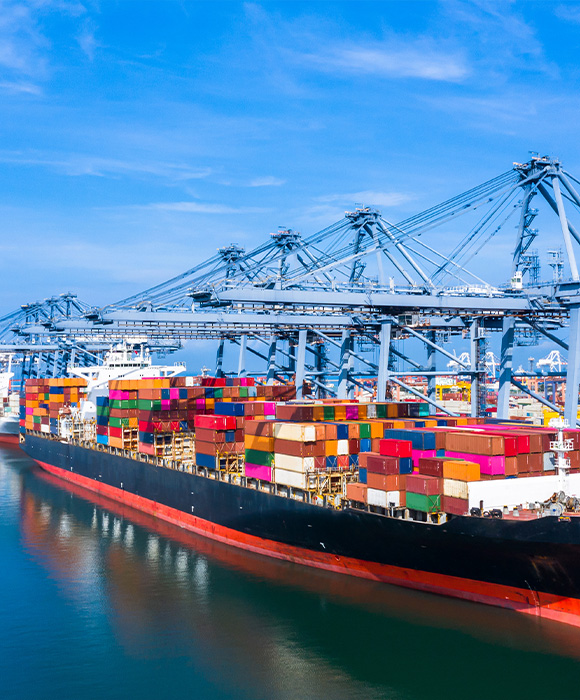
 Sea freight is the transportation of goods by ship between ports. In international trade, it is particularly suitable for large volumes, heavy cargo and oversized shipments. In addition to containerized goods, sea transport can also be used for bulk cargo and large equipment requiring special handling.
At Pascal Lojistik, we organize sea freight shipments for commercial cargo. We evaluate suitable container types, ports and vessel schedules, while coordinating loading, transport documentation and delivery with all parties involved.
The process begins by identifying the type of cargo, number of packages, dimensions and total gross weight. The loading address, port of departure, destination port and final delivery address are also confirmed.
Based on this information, suitable containers and vessel schedules are selected. Once the booking is confirmed, loading, export procedures and transportation to the port of departure are arranged.
After the vessel arrives, unloading, import procedures and, when required, road transportation to the consignee's address are coordinated.
Sea freight involves more than transportation by vessel. Delivery to the port of departure and transportation from the destination port also affect the overall cost and transit time.
FCL stands for Full Container Load. It refers to a shipment where a container is allocated to the cargo of a single shipper. The container does not necessarily have to be completely filled.
This option is suitable for larger shipments or when cargo should not be transported together with goods from other shippers.
The container type is selected according to cargo dimensions, weight and loading requirements.
LCL stands for Less than Container Load. It is a shipping method where cargo from different shippers is consolidated into one container.
This option can be suitable for smaller shipments packed on pallets, in cartons or wooden crates when the cargo volume does not justify using an entire container.
LCL shipments require cargo consolidation at the origin and separation at the destination. As a result, departure schedules, cargo handling and release procedures may affect the overall delivery time.
The availability of LCL services should be checked in advance for the specific route and ports.
The choice depends on more than cargo volume. Total transportation cost, departure date, required delivery time, cargo characteristics and the number of handling operations should also be considered.
For smaller shipments, LCL may be more economical. However, as cargo volume increases, FCL can sometimes become more cost-effective, even when the container is not completely filled.
When comparing these options, it is important to consider not only ocean freight rates but also charges at the origin and destination ports.
The most common container types include:
20-foot Standard Container (20' DC): Used for transporting various types of commercial cargo.
40-foot Standard Container (40' DC): Provides additional space for cargo.
40-foot High Cube Container (40' HC): Offers greater internal height than a standard 40-foot container.
Open Top Container (OT): Designed for cargo that requires loading from above.
Flat Rack Container (FR): Used for certain oversized cargo that cannot fit inside a standard enclosed container.
Reefer Container: A refrigerated container for goods requiring controlled temperatures.
When selecting equipment, internal container dimensions, door opening measurements and maximum payload capacity must be considered.
The availability of special equipment and its suitability for a particular shipment should be confirmed before booking.
In addition to total cargo volume, the dimensions and weight of each package must be evaluated.
Even if cargo fits inside a container, its dimensions may prevent it from passing through the container doors. Therefore, container selection should not be based on cubic volume alone.
Stacking possibilities, weight distribution, cargo securing and the loading method, such as forklift or crane handling, should also be considered.
For long, heavy or oversized cargo, photographs and technical drawings help determine the most suitable equipment and loading arrangement.
Ocean freight rates depend on the port of departure, destination port, container type, cargo volume, shipping date and vessel service conditions.
The total transportation cost may also include:
Road transportation to the port of departure
Terminal handling charges at the origin and destination ports
Loading and unloading operations
Transport documentation and cargo release charges
Customs brokerage services
Storage charges and costs arising from exceeding permitted time limits
Road transportation from the destination port to the final delivery address
Not all of these charges apply to every shipment.
When preparing a quotation, it is important to clarify which services are included in the price and which charges are calculated separately.
In a direct sea freight service, cargo is transported from the port of departure to the destination port without being transferred to another vessel. The vessel may still call at intermediate ports.
In a transshipment service, the container is transferred to another vessel at an intermediate port.
Waiting for the connecting vessel and the transshipment schedule may affect the overall transit time.
When selecting a service, both the freight rate and the estimated arrival date should be considered, along with the conditions of the transshipment operation.
The required documents depend on the type of goods, countries of origin and destination, and delivery terms.
The main documents generally include the Commercial Invoice, Packing List and sea transport document.
Customs clearance may also require certificates of origin, conformity documents, permits and other supporting documentation.
Information about the shipper, consignee, product description, number of packages and cargo weight should be consistent across all documents.
A Bill of Lading (B/L) is one of the main documents used in sea freight transportation.
It contains information about the shipper, consignee, cargo, ports of departure and destination, and transportation conditions.
Different types of transport documents and cargo release procedures may be used depending on the shipment arrangements.
Whether an original Bill of Lading is required or another cargo release procedure can be used should be agreed upon in advance.
Errors in consignee details or cargo descriptions may cause delays in documentation and container release.
Cargo packaging must be suitable for the weight of the goods and the conditions of sea transportation.
Pallets, wooden crates and heavy equipment should be positioned and secured to prevent movement inside the container during transit.
Particular attention should be paid to weight distribution, filling empty spaces and protecting moisture-sensitive goods.
The packaging and securing method should be selected according to the characteristics of each shipment.
Yes. On routes where consolidated container services are available, LCL shipping can be considered.
However, both ocean freight rates and cargo handling charges at the origin and destination ports should be taken into account.
In some cases, alternative transportation methods may offer better overall costs and delivery times.
The number depends on pallet dimensions, container type, total cargo weight and loading arrangement.
Cargo extending beyond pallet dimensions or goods that cannot be stacked may reduce the available capacity.
For an accurate calculation, the Packing List, dimensions and weight of each package should be evaluated.
No. With FCL shipping, the container is allocated to your cargo, but it does not need to be completely filled.
For smaller shipments, the costs of FCL and LCL can also be compared.
A High Cube is an enclosed container with greater internal height than a standard container.
An Open Top container is designed for cargo requiring top loading or other loading arrangements permitted by the container's construction.
The choice depends on cargo dimensions and the loading method.
Transit times depend on the ports of departure and destination, vessel schedules, transshipment requirements, port congestion and customs procedures.
Road transportation to the port of departure and from the destination port must also be considered.
The estimated arrival date of a vessel does not mean the cargo will be delivered to the consignee's warehouse on the same day.
Unloading, customs clearance and cargo collection from the port should be included when planning delivery schedules.
Demurrage is a charge associated with keeping a container at the terminal beyond the permitted free period.
Detention is a charge for using a container outside the terminal beyond the permitted free period.
Some shipping lines apply combined calculation terms for these charges.
Free Time allowances, calculation methods and applicable rates should be checked according to the conditions of the specific shipping line.
Additional terminal storage charges may also apply.
No. Customs duties are not automatically included.
Ocean freight refers to the cost of transportation. Customs duties, brokerage services and port charges are calculated separately depending on the delivery terms and the services included in the quotation.
Yes, provided that the loading addresses, cargo readiness dates and shipment characteristics allow for combined transportation.
In such cases, goods can be collected from different manufacturers or delivered to a shared consolidation warehouse.
The number of packages, dimensions and weight are requested separately from each supplier.
Collection costs and the delivery schedule to the port are calculated based on all loading locations.
Cargo insurance is not always included in the freight rate.
Carrier liability and cargo insurance are two different matters.
When arranging insurance, the value of the goods, insurance coverage and policy exclusions should be considered.
To prepare an accurate quotation, it is useful to provide the following information:
Product name and cargo type
Loading address
Destination port or final delivery address
Number of packages and packaging type
Dimensions of each package
Total gross weight
Stackability of the cargo
Cargo readiness date
Delivery terms (Incoterms)
Special container or loading requirements, if applicable
Send us the details of your shipment. We will evaluate suitable container options and vessel schedules, calculate transportation costs, provide estimated transit times and clarify which services are included in the quotation.
Email: info@pascallojistik.com
Logistics Department: altan@pascallojistik.com
We attach importance to quality in our logistics services for our customers.
We have been providing reliable logistics services for years by giving importance to customer satisfaction.
 PASCAL LOJİSTİK
 Road freight is the transport of goods by trucks, articulated lorries and other commercial vehicles.
Sea freight is the transportation of goods by ship between ports. In international trade, it is particularly suitable for large volumes, heavy cargo and oversized shipments. In addition to containerized goods, sea transport can also be used for bulk cargo and large equipment requiring special handling.
We carry fastly and safely the goods where you want as express cargo and door-to-door with our İncluded wide agency network, qualified personnel, and solid infrastructure in Russia.
At Pascal Lojistik, we arrange full truckload (FTL) and less-than-truckload (LTL) shipments from Turkey to Russia.