
Pascal Lojistik
International Road Transportation
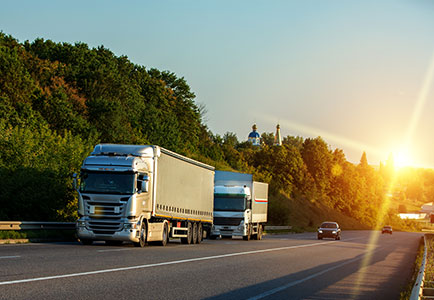
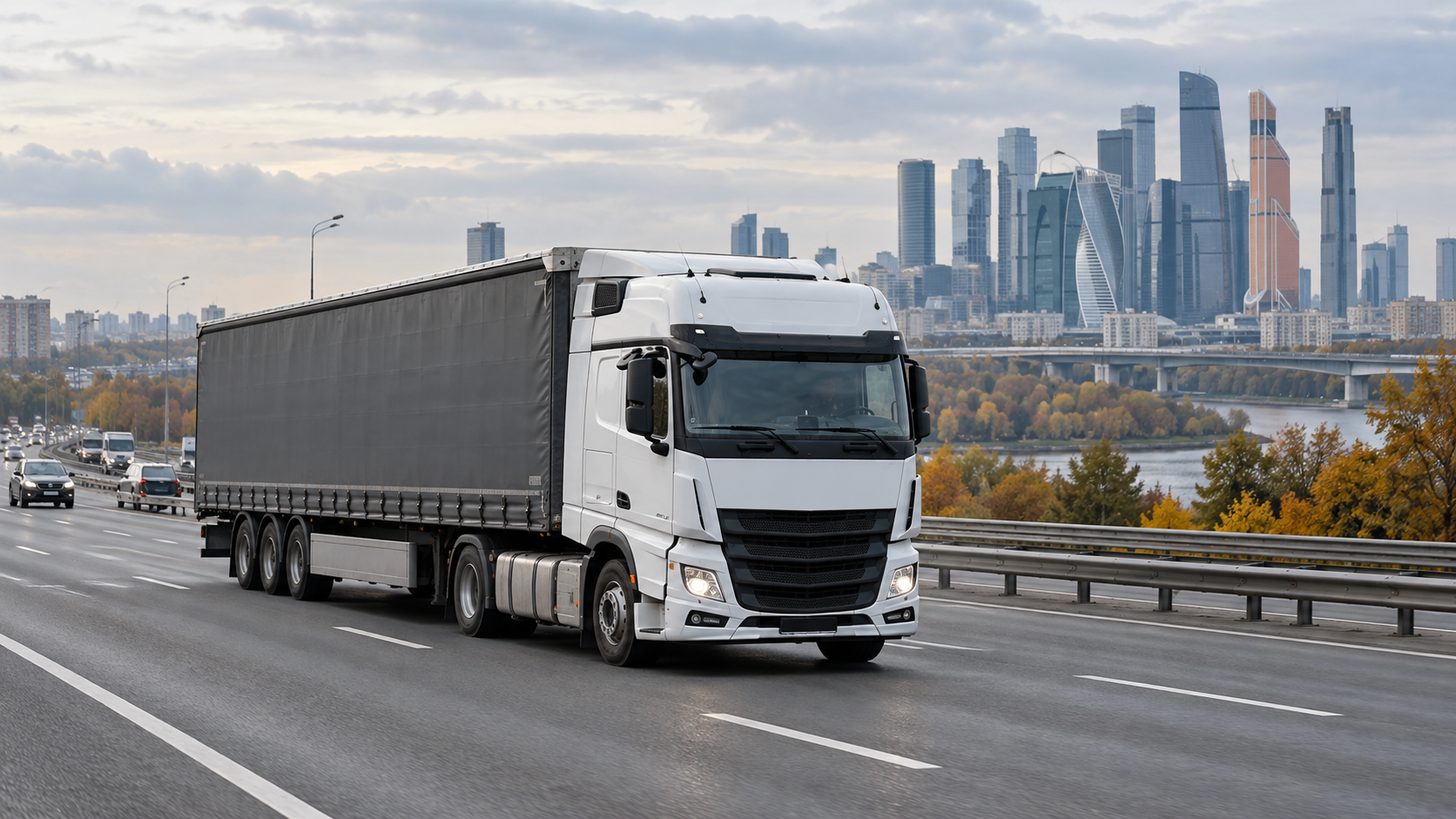
Road freight is the transport of goods by trucks, articulated lorries and other commercial vehicles.
LOJİSTİK

 PASCAL LOJİSTİK
 Road freight is the transport of goods by trucks, articulated lorries and other commercial vehicles.
It is used for both domestic and international shipments. The ability to collect goods from a manufacturer or warehouse and deliver them to the consignee’s address is one of the main reasons businesses choose road transport.
At Pascal Lojistik, we arrange vehicles and routes for commercial cargo and coordinate loading, documentation and delivery with the parties involved.
Before planning a shipment, we confirm the type of goods, number of packages, dimensions and total gross weight. We also establish the pickup and delivery addresses, cargo readiness date and any special transport requirements.
These details help us select a suitable vehicle and prepare a quotation. Once loaded, the vehicle follows the agreed route. International shipments also involve export, transit and import procedures. At delivery, the cargo’s condition is checked and receipt is recorded.
With full truckload shipping, a vehicle is reserved for one customer’s cargo. This service is commonly known as FTL.
The cargo does not have to fill the entire vehicle. A dedicated truck can also be chosen when goods need to travel separately from other customers’ shipments or when the transport schedule needs to be arranged around a single consignment.
Less than truckload shipping combines different customers’ goods travelling along the same route in one vehicle. It is commonly known as LTL and can be considered for smaller shipments, such as a few pallets, boxes or crates.
This service may involve collection, transfers and deliveries to several addresses. When comparing options, it is therefore important to consider the departure schedule and delivery time as well as the price.
Vehicles are selected according to the cargo’s requirements. Common options include curtain sided trailers, enclosed box trucks, temperature controlled vehicles and platform trailers for specialised cargo.
Depending on their design, curtain sided vehicles may allow loading from the rear, side or top. Temperature sensitive goods require suitable equipment. Heavy or oversized cargo may need a specialised vehicle and a separate transport plan.
Not every vehicle is suitable for every load. Internal dimensions, payload capacity and loading conditions should be checked in advance.
Total weight alone does not determine the vehicle required. Light but bulky cargo can occupy more space than a heavier shipment.
Package length, width, height and stackability determine the space needed in the vehicle. Long items, goods extending beyond pallet edges and packages that cannot support other cargo require separate assessment.
Measurements should include the outside dimensions of the packaging as it will be shipped, rather than just the product itself.
The main factors affecting the rate are:
Pickup and delivery addresses
Cargo weight and volume
Space occupied in the vehicle
Vehicle type
LTL or FTL service
Shipment date and vehicle availability
Number of pickup and delivery locations
Special equipment and waiting time requirements
For international shipments, the route and transit conditions can also affect the cost. When comparing quotations, check which services and charges are included.
Packaging should suit the goods’ weight, fragility and transport conditions. Goods on pallets should be secured, and boxes or crates should be closed firmly enough to remain intact during transport.
Fragile products need protection against impacts, while heavy components should be prevented from moving inside their packaging. Packages should carry the appropriate transport and handling markings.
Packing the goods and securing the load inside the vehicle are separate tasks. Both are important for safe transport.
Document requirements depend on whether the shipment is domestic or international, the type of goods and the requirements of the countries involved.
Commercial invoices, packing lists and CMR consignment notes are commonly used for international shipments. Additional paperwork may be needed for customs and transit procedures. Depending on the product, certificates of origin, conformity documents or permits may also be required.
Product descriptions, quantities, package counts and weights should be consistent across the documents.
A CMR consignment note is a transport document used for international road freight. It contains details of the shipper, carrier and consignee, the pickup and delivery locations, and the cargo.
It does not replace a commercial invoice or customs declaration. Issuing a CMR consignment note also does not mean that customs procedures have been completed.
Road transport allows goods to be collected from the shipper’s address and delivered to the consignee’s address. LTL and FTL services offer options for different shipment sizes.
Road freight also connects ports, airports and warehouses. The first and final stages of a sea or air freight shipment can be carried out by road.
Distance, route, traffic, weather, and drivers’ driving and rest periods affect transit time. International shipments also depend on border congestion and customs procedures.
LTL shipments may require additional time for consolidation, transfers and local deliveries. An estimated delivery time should therefore be established once the cargo details and transport plan are confirmed.
Yes, LTL shipping can be considered for small commercial shipments. Availability and pricing depend on package dimensions, weight, route and delivery address.
The number depends on pallet dimensions, the vehicle’s internal dimensions and the total weight. Goods extending beyond pallet edges and non-stackable cargo can affect the loading layout. Pallet dimensions and weights should be assessed together for an accurate plan.
Net weight is the weight of the goods themselves. Gross weight includes the goods, packaging, pallet or crate. Transport planning should use the gross weight of the shipment as it is ready to be dispatched.
Multiply the length, width and height in metres. For example, a pallet measuring 1.20 × 0.80 × 1.00 metres occupies 0.96 m³.
For multiple packages, calculate each package’s volume separately and add the results. However, volume alone may not reflect all the vehicle space required, particularly for non-stackable cargo.
A package that cannot have other goods placed on top limits the use of vehicle space, even if it is light. Stackability can therefore affect the rate, particularly for LTL shipments.
They may not be included in every quotation. Any need for a forklift, crane, tail lift vehicle or loading staff should be stated in advance. Responsibility for loading and unloading should be agreed before transport.
Carrier liability and cargo insurance are different. The full value of the goods should not be assumed to be covered in every situation. Coverage, insured value and exclusions should be checked against the relevant policy.
Please provide the type of goods, pickup and delivery addresses, package count, external package dimensions, total gross weight and cargo readiness date. Details about stackability and any special equipment requirements will help us prepare a more accurate quotation.
Send us your cargo details. We will assess suitable vehicles and transport options and provide the rate, estimated transit time and scope of service.
Email: info@pascallojistik.com
Operations: altan@pascallojistik.com
We attach importance to quality in our logistics services for our customers.
We have been providing reliable logistics services for years by giving importance to customer satisfaction.
 PASCAL LOJİSTİK
 Road freight is the transport of goods by trucks, articulated lorries and other commercial vehicles.
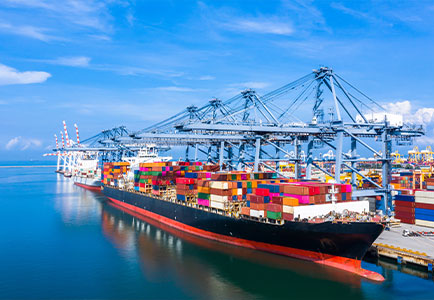
Sea freight is the transportation of goods by ship between ports. In international trade, it is particularly suitable for large volumes, heavy cargo and oversized shipments. In addition to containerized goods, sea transport can also be used for bulk cargo and large equipment requiring special handling.
We carry fastly and safely the goods where you want as express cargo and door-to-door with our İncluded wide agency network, qualified personnel, and solid infrastructure in Russia.
At Pascal Lojistik, we arrange full truckload (FTL) and less-than-truckload (LTL) shipments from Turkey to Russia.